


Non ricordo esattamente quanti anni avessi la prima volta che misi piede in Iran. Potevano essere cinque o giù di lì. Ricordo, della mia prima infanzia, le volte in cui i parenti ci accompagnavano all’aeroporto di Ronchi, gli abbracci dei nonni sconsolati per la partenza della loro nipotina.
Io non ero quasi mai triste, viaggiare in aereo mi divertiva tantissimo. Amavo osservare la gente, così diversa da quella che incontravo nella mia piccola città di provenienza. Tutto ciò che usciva dai confini del mio piccolo mondo ha sempre attratto la mia curiosità e acceso la voglia di scoprirlo.
La botta di tristezza di solito mi prendeva alla terza ora di aereo sulle 6-7 previste, ripensavo agli affetti familiari che lasciavo, i nonni in particolare, ai cuginetti con cui passavo le estati triestine. Mi facevo quasi sempre un piantino, pensando alla mia nonna materna che, vedova, rimaneva da sola. Mamma cercava di consolarmi a fatica, perché la malinconia attanagliava anche lei. Mio padre non so, lui era rassegnato a quella vita con la valigia che, forse, non si era scelto consapevolmente.
Poi, improvvisamente, quando il capitano annunciava la discesa, scattava l’interruttore: torno a casa. Perché casa, al tempo, era l’Iran. E tornare era sempre bello.
Ho vissuto in tre città iraniane, Tabriz, Shiraz e Teheran. Ho amato ognuna delle tre, in modo diverso. La mia preferita, forse, resta Shiraz.
Vivevamo in una deliziosa villetta bifamiliare, condivisa con una giovane coppia formata da un uomo iraniano e la moglie tedesca. Si erano conosciuti all’università in Germania, dove lui frequentava medicina e lei architettura. Un amore che li aveva spinti a sposarsi e ad andare a vivere in Iran.
Erano belli e singolari da vedere. I tratti iraniani di lui, l’incarnato olivastro, i capelli e gli occhi scurissimi si contrapponevano ai colori chiari e acquerellati della moglie così eterea e sottile. Li adoravo, mi trattavano come fossi la loro principessa.
La casa era circondata da villette con il giardino e non c’era uno spazio verde dove non fossero piantati cespugli di rose. Ricordo i mazzi che mi regalavano i vicini di casa, permettendomi di sceglierle personalmente, a una a una e, nonostante fossi una bambina, dimostravo di avere occhio per selezionare le più belle, le più profumate.
Ero la Dokhtar-e Gharib دختر غریب del piccolo quartiere dove risiedevo. Quella con la pelle bianchissima, i capelli chiari e gli occhi verdi. I bambini mi adoravano e le loro famiglie pure.
A Shiraz ho imparato ad andare in bicicletta senza le rotelle, mio padre ha insegnato a me e a tutti i bambini della strada privata in cui risiedevamo.
A merenda le mamme ci chiamavano e io spesso ero ospite delle famiglie che vivevano lì, mi accoglievano, parlavo con i nonni, mi facevano vedere le loro case. Ero ormai parte del loro mondo, che sentivo anche mio.
Oltre al profumo di rose ricordo perfettamente l’aroma del riso pilaf che le famiglie preparavano, mi hanno invitato spesso a condividerlo con loro. Su una montagna di riso rompevano l’uovo fresco e mescolavano il tutto con le loro spezie. Poi aggiungevano un sugo di carne di montone. Adoravo assistere a quella che mi sembrava una vera e propria cerimonia, completamente immersa negli aromi dolci e pungenti sprigionati dal cibo.
D’inverno spesso scendeva la neve, rendendo la strada privata dove vivevo un piccolo angolo di soffice paradiso. Ricordo di aver chiesto ai miei genitori di comprarmi la giacca di pelle di pecora che tutti i bambini usavano per proteggersi dal freddo. Anche io ero una di loro. Insieme ci divertivamo ad assemblare il pupazzo di neve della nostra stradina. Ognuno portava qualcosa per vestirlo, per dargli le sembianze più veritiere possibili. Era la nostra festa, di tutti noi, indistintamente.
Per noi arrivava il Natale e i miei genitori organizzavano una festicciola con tanti regalini per i bimbi del mio quartiere, i miei amichetti dell’epoca che, sebbene sciiti, partecipavano volentieri a una festa religiosa diversa dalla loro.
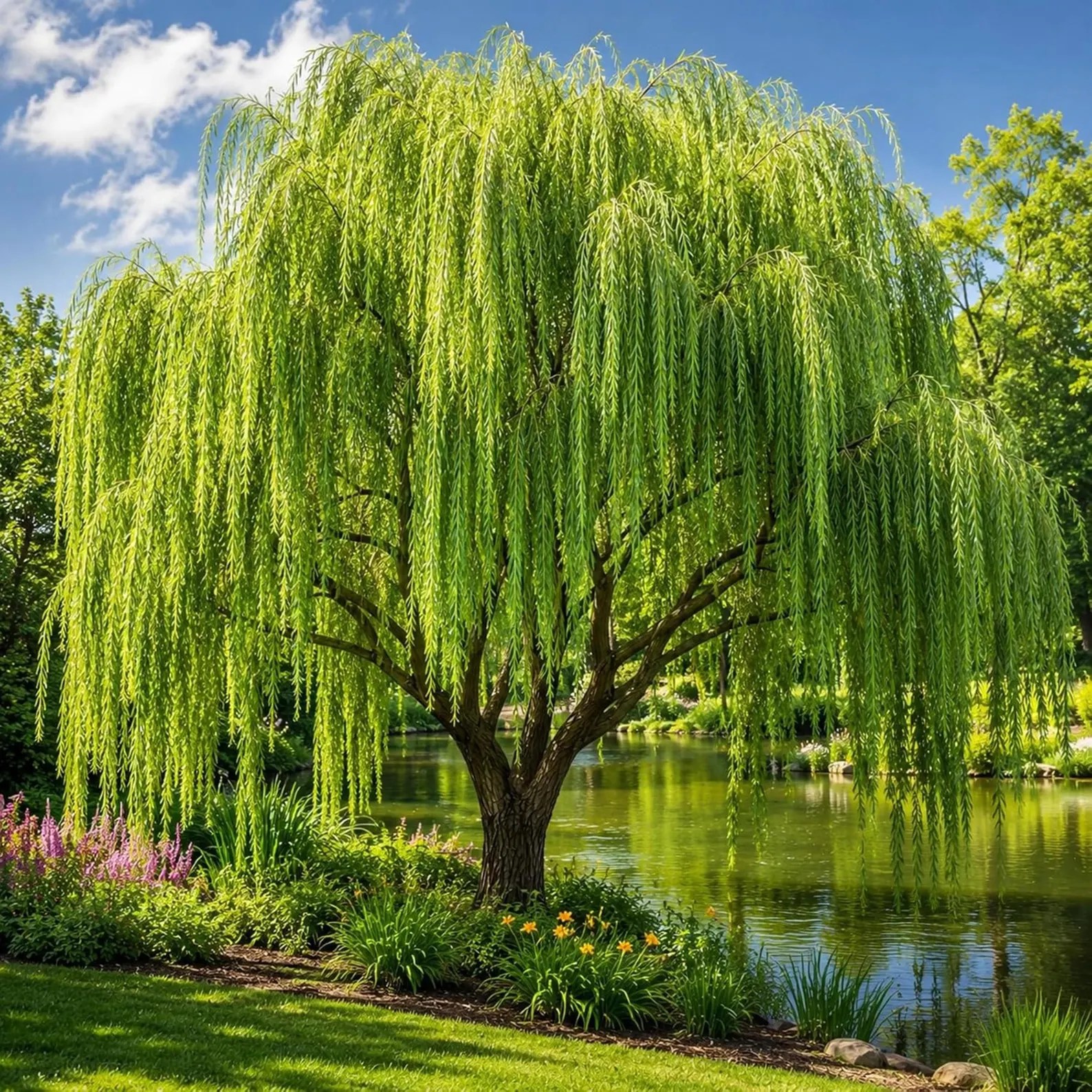
Shiraz era anche la città dei salici piangenti. Ne avevamo uno vicino a casa, dove scorreva un piccolo ruscello. Durante le passeggiate pomeridiane obbligavo mia madre a fermarsi sotto le sue fronde. Era come se mi parlasse, lo amavo immensamente. Appena imparato a scrivere, composi la mia prima poesia su di lui, sul salice piangente che viveva vicino a casa.
Non so che fine abbia fatto quella prima poesia.
Mia madre, non reputandola degna di nota, mi confessò di averla buttata nella pattumiera.
Shiraz non mi avrebbe mai fatto questo.
Pimpra
IMAGE CREDIT DA QUI








Devi effettuare l'accesso per postare un commento.